Road safety often gets treated as a policy issue — something for government agencies and traffic authorities to solve. And while stronger enforcement and better infrastructure absolutely matter, individual habits make a real difference too. Here are five that are simple to adopt and genuinely save lives.
1. Slow down, especially in unfamiliar areas Speeding remains the single largest contributor to road crashes in Ghana, linked to the majority of crashes nationwide according to NRSA officials. Speed limits exist because they reflect what a road can safely handle — not as a suggestion. Slowing down by even 10–15 km/h in high-risk areas (school zones, markets, unlit rural roads at night) meaningfully reduces both the likelihood of a crash and its severity if one happens.
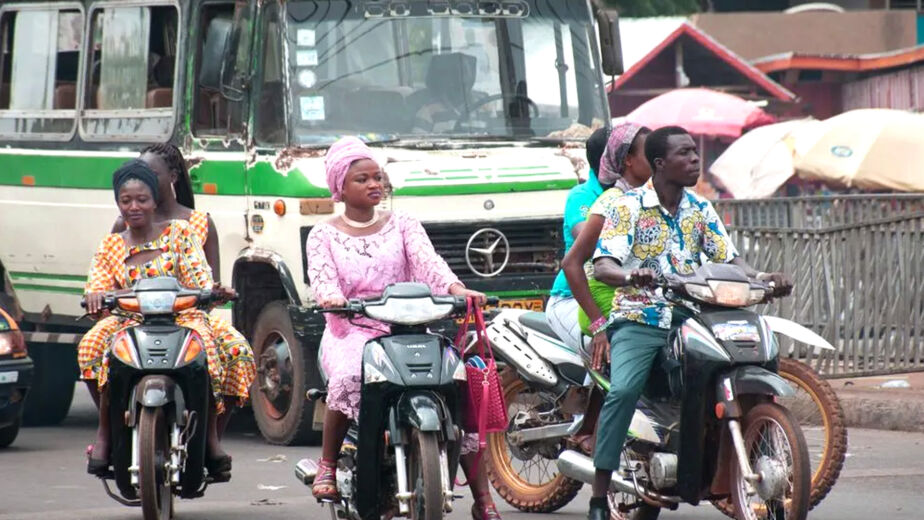
2. Wear a helmet — every ride, every time Motorcycle use has grown rapidly across Ghana, and with it, motorcyclist injuries and deaths. A proper, well-fastened helmet is one of the most effective single interventions available to a rider — not just for long trips, but for the short ones too, since a large share of crashes happen close to home on routine journeys.
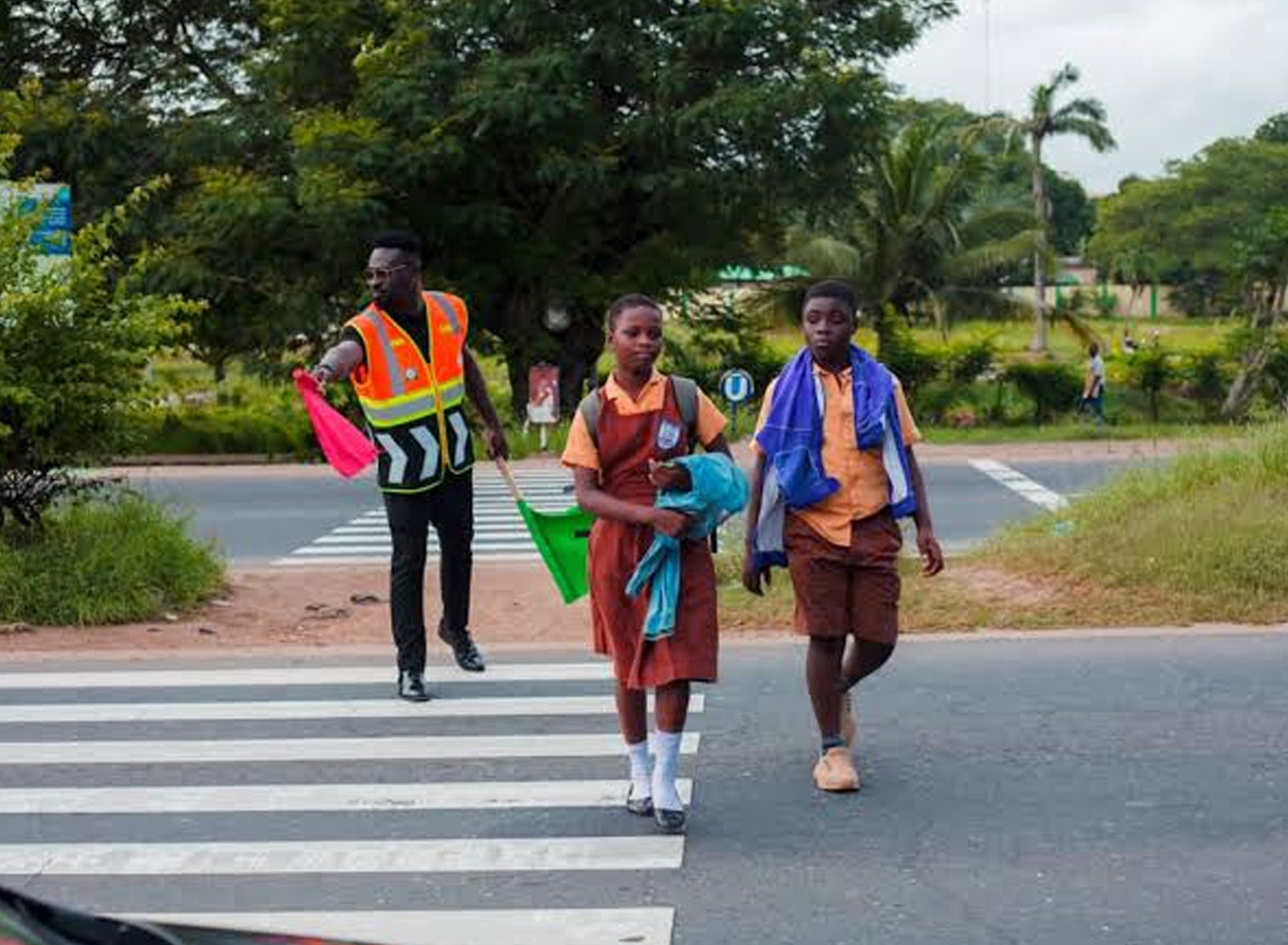
3. Never assume a driver has seen you For pedestrians, the safest assumption is always that a driver has not seen you — not that they have. Make eye contact before crossing where possible, cross at designated points when available, and stay visible, especially at dawn, dusk, or night when visibility drops sharply.
4. Avoid overloading — vehicles and motorcycles alike Overloaded vehicles are harder to control, take longer to stop, and are more likely to roll over in an emergency maneuver. This applies to commercial vehicles carrying passengers or goods beyond capacity, and to motorcycles carrying more than the intended number of riders.
5. Treat “just this once” as the highest-risk moment Most unsafe road behavior isn’t habitual — it’s a one-time decision under pressure: running a light because you’re late, overtaking on a blind curve because traffic is slow, skipping a helmet for a “quick” trip. These one-off decisions are disproportionately when crashes happen, precisely because they’re unplanned and the driver or rider hasn’t prepared for the added risk.
None of these habits require new infrastructure or new laws — just consistency. And consistency, multiplied across an entire community, is exactly how road safety culture changes.
Source: National Road Safety Authority (NRSA) public statements and 2025 crash data.